Section Timeline
A fixed rail that follows the section you're reading. Hover a marker to preview it, click to jump.

blog example
Essay
On keeping a field notebook
By A. Writer, • 5 min read
A field notebook begins as a place to catch what would otherwise disappear: a sentence overheard in passing, the angle of afternoon light across a worktable, the texture of weather on a familiar street, or the shape of a question that is not yet ready to be answered. Writing these details down gives attention somewhere to land before the day rearranges them.
Over time, those fragments gather into a record of attention. The notebook becomes less an archive of finished thoughts than a working surface where observation, memory, and curiosity can remain in motion. Its value comes from accumulation: the quiet evidence of what repeatedly draws the eye, what changes between visits, and what only becomes legible after weeks or months of returning.
Selected work
The first studies were made quickly, with only enough detail to preserve the relationships between place, material, and use. A rough diagram might sit beside a sentence about sound; a color note might be followed by the exact time the light changed. The aim was not completeness, but a faithful point of entry for a later return.

Each return to the subject revealed another layer: a repeated gesture, a useful constraint, or a small decision that quietly organized the whole. What looked incidental on the first visit often proved structural on the third. The pages made those shifts visible without asking them to resolve too quickly into a single explanation.
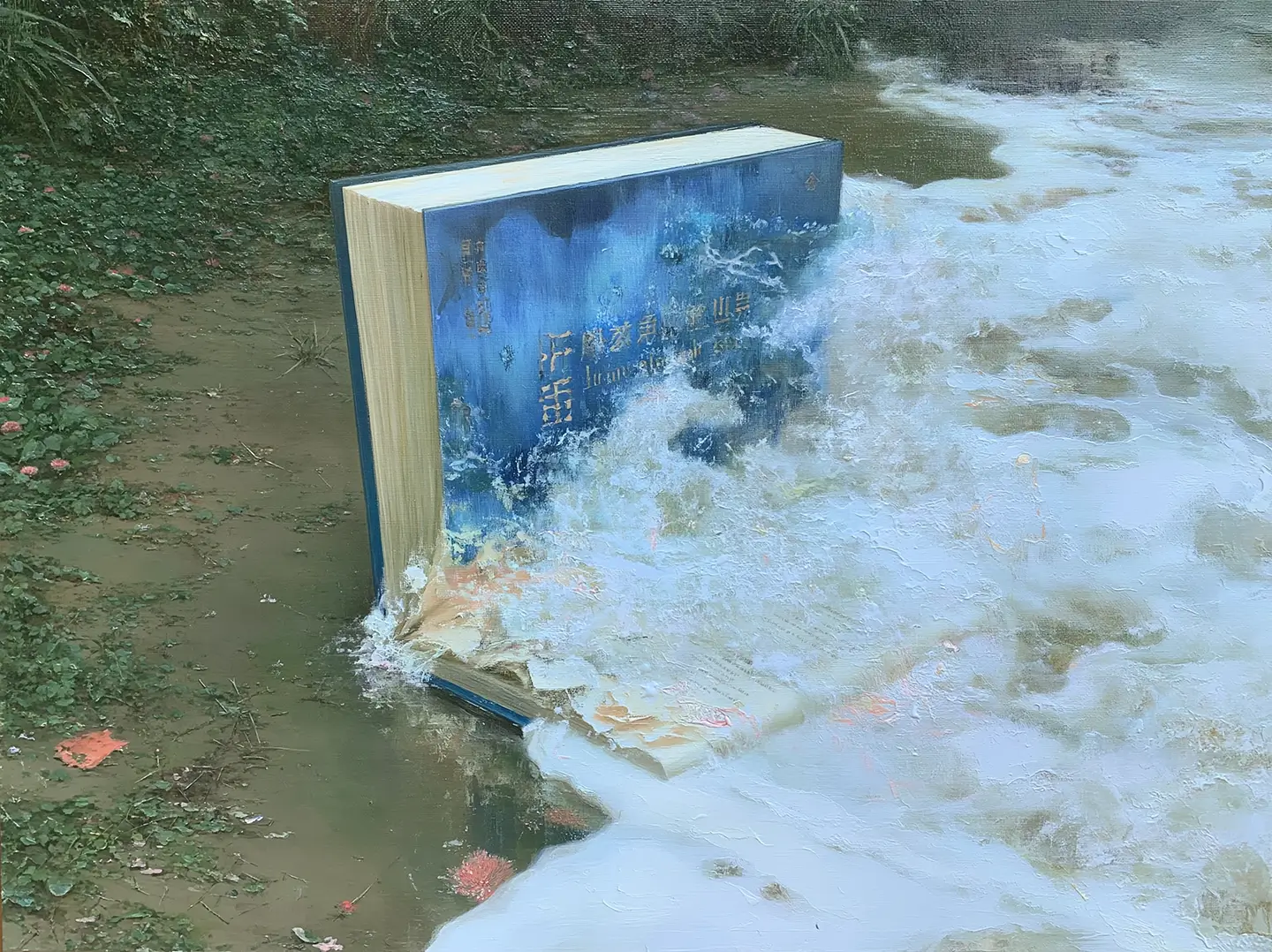
What remains is not a polished sequence but a set of connected observations, kept open long enough for patterns to become visible. Read together, the entries show how understanding is built through revision rather than revelation: one partial view correcting another until a more durable picture begins to form.
Process
1. Begin with direct observation before adding interpretation, recording what is present in language concrete enough to be tested later.
2. Preserve enough context—the time, place, conditions, and surrounding details—to make each fragment useful when its original moment has faded.
3. Return without forcing the material into a conclusion; let a second encounter complicate the confidence of the first.
4. Notice repetitions, contradictions, and useful omissions, especially the details that recur without being deliberately sought.
5. Edit only after the underlying pattern has had time to emerge, keeping the uncertainty that still carries energy or invites another visit.
What the pages reveal
A single entry records an encounter; a sequence records change. When pages are revisited together, details that once seemed unrelated begin to form constellations. Certain places recur. The same question appears in different language. A concern that felt personal turns out to be shared across several observations.
The gaps are equally instructive. What was never described, what was consistently rushed past, and what disappeared from the record can reveal the limits of attention at that moment. Reading backward makes the notebook more than a memory aid: it becomes an honest map of how perception expands, narrows, and learns to correct itself.
The most useful pattern is often the one that could not have been planned in advance.
About
This essay is a study in maintaining a simple practice long enough for it to become a reliable way of seeing. The discipline is modest: carry something small, write before certainty arrives, and return often enough to notice how both the subject and the observer have changed.
The notebook itself matters less than the habit it supports: pausing, looking closely, and leaving a clear trace that can be revisited. Pages need not be beautiful or complete. They only need to remain specific enough to reopen the original encounter and generous enough to hold a different understanding later.
Attention becomes a practice when it leaves a trace you can return to—and a record becomes useful when it remains open to being read differently.
Contact
For notes, reading recommendations, or correspondence about your own field-notebook practice, write to hello@example.com. Thoughtful replies are always welcome, especially when they begin with a detail you nearly forgot to record.